


Managing Joint Pain and Staying Flexible
Simple, proven techniques to reduce stiffness, improve mobility, and move with confidence at any age.
Joint pain doesn't have to be a permanent part of getting older. We're not talking about miracle cures or expensive treatments — just real, practical approaches that work. Whether you're dealing with stiffness in your knees, shoulders that feel tight, or general discomfort when you move, there's a lot you can do right now.
The good news? You don't need a gym membership or special equipment. Most of what helps happens through consistent, gentle movement combined with smart habits. In this guide, we'll walk you through what actually causes joint pain in retirement, why flexibility matters more than you think, and the specific techniques that make a real difference.
Understanding Joint Pain in Retirement
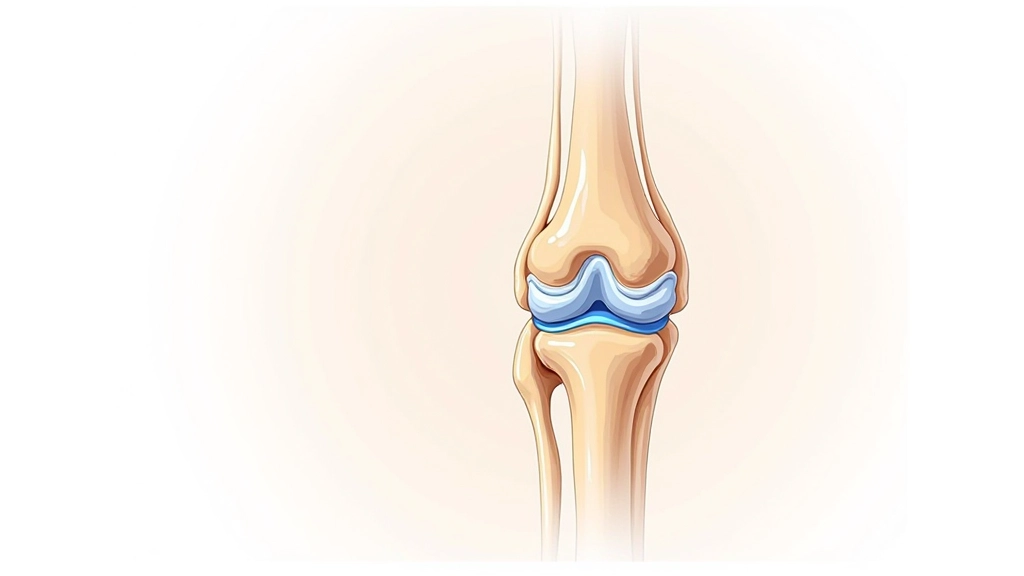
Joint pain in your 60s, 70s, and beyond isn't inevitable — but it's common. Your joints produce less lubricating fluid over time, cartilage can wear down, and muscles weaken if you're not using them regularly. The problem gets worse when you're inactive, because movement is actually what keeps joints healthy.
Here's what often happens: someone experiences pain, so they move less. Less movement means stiffer joints. Stiffer joints hurt more. It becomes a cycle that's hard to break. But you can interrupt this pattern. Even light, regular movement — we're talking 15-20 minutes most days — makes a significant difference within 4-6 weeks.
The Reality: Most joint pain isn't from permanent damage. It's from muscle weakness, limited range of motion, and inflammation from inactivity. That's actually good news because it's changeable.
Why Flexibility Actually Matters
Flexibility isn't about touching your toes or doing yoga poses. It's about your ability to move through a full range of motion in your daily life — reaching for items on a shelf, bending to pick something up, turning to look over your shoulder. When you lose flexibility, simple tasks become harder and more painful.
You'll notice the benefits pretty quickly. After 2-3 weeks of consistent stretching, you'll find that your movements feel easier. Stairs don't seem as daunting. Getting out of a chair takes less effort. These aren't small things — they're the difference between doing activities independently or needing help.
What Improved Flexibility Gives You
- Better balance and reduced fall risk
- Less pain during everyday movements
- More independence with daily tasks
- Improved posture and spinal health
Practical Techniques That Actually Work
The most effective approach combines three elements: gentle stretching, basic strengthening, and consistent movement. You don't need all three in one session, but rotating through them during the week is ideal.
1
Gentle Daily Stretching
Hold each stretch for 20-30 seconds, never bouncing. Focus on major muscle groups: hamstrings, hip flexors, shoulders, and calves. Do this 5-6 days per week. The key is consistency — 10 minutes daily beats 60 minutes once a week.
2
Bodyweight Strengthening
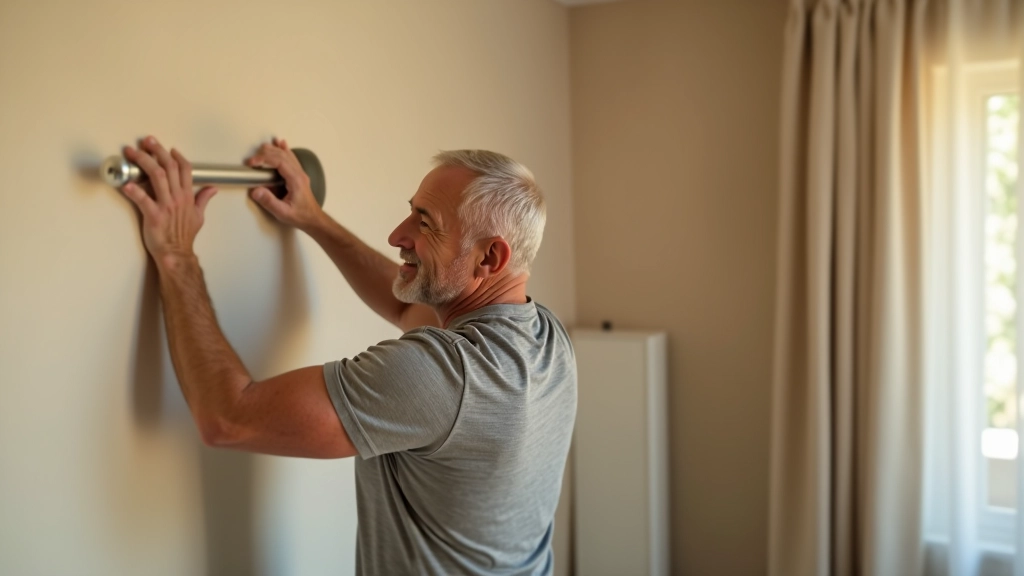
You don't need weights. Simple exercises like wall push-ups, seated leg lifts, or step-ups on a low stair work well. Do 2-3 sets of 10-12 repetitions, 2-3 times per week. Stronger muscles support and protect your joints.
3
Regular Walking
Walking is one of the most underrated joint-friendly activities. Aim for 30 minutes most days, but even 15-20 minutes helps. It keeps joints moving smoothly, strengthens supporting muscles, and doesn't create impact stress like running does.
Building a Daily Routine That Sticks
The best routine is one you'll actually do. Start small — 10-15 minutes daily is better than ambitious plans you won't maintain. Most people find morning works best because it gets done before other obligations take over. Plus, your body's a bit stiff in the morning, so stretching sets you up well for the day.
A Simple Weekly Plan
Monday, Wednesday, Friday: 10 min stretching + 10 min light strengthening
Tuesday, Thursday, Saturday: 20-30 min walking
Sunday: Gentle stretching only, 10 minutes
You don't need fancy equipment. A yoga mat or even a towel on the floor is enough. Wear comfortable clothes you can move in. And here's something important: don't push through sharp pain. Mild discomfort as you stretch is normal. Sharp pain is your signal to stop and adjust.
"The people who see the best results aren't the ones doing the most intense workouts. They're the ones showing up consistently, even when it's just 10-15 minutes."
Important Disclaimer
This article provides general information about joint health and flexibility for educational purposes. It's not medical advice and shouldn't replace guidance from your doctor or physical therapist. If you have chronic pain, previous injuries, or medical conditions, consult a healthcare professional before starting any new exercise routine. Everyone's situation is different — what works for one person might need adjustment for another.
Moving Forward With Confidence
Managing joint pain isn't about accepting it as inevitable. It's about taking consistent action with simple, proven techniques. You don't need to be flexible like you were at 30 — you just need to be able to move comfortably and independently. That's completely achievable with regular stretching, light strengthening, and daily walking.
Start today. Pick one thing — stretching, a walk, or basic bodyweight exercises. Do it for a week. You'll notice changes sooner than you think. Within 4-6 weeks of consistency, most people report significantly less pain and noticeably better mobility. That's not a promise — it's what we see happen when people actually do the work.
The best time to start was yesterday. The second best time is today.

Related Articles