


Building Real Friendships in Your Retirement Years
It's harder than it sounds. Here's what actually works for creating lasting social connections as a retiree.
9 min read
All Levels
April 2026
Retirement changes everything. You've left work, maybe relocated, and suddenly you're not bumping into colleagues at the coffee machine or chatting with teammates. The friendships that seemed so solid? Some fade pretty quickly when the structure disappears. That's the reality most people don't talk about.
Building new friendships in your 60s, 70s, or beyond isn't the same as it was at 25. But here's what we've seen work over and over: it's absolutely doable. You just need to understand what's actually changed, where real opportunities exist, and how to show up in ways that create genuine connection instead of awkward small talk.
The Core Truth
Friendships in retirement aren't built faster or slower than before. They're built differently. Shared interests, consistency, and vulnerability matter more than ever.
Why Your Old Friendship Patterns Don't Work Anymore
When you're working, friendships often develop by accident. You see the same people five days a week. You grab lunch together. You bond over shared frustrations about projects or management. That proximity does most of the work for you.
In retirement, that structural advantage vanishes. No one's forcing you to show up somewhere predictable. No shared work drama to bond over. If you're waiting for friendships to just happen the way they did before, you'll be waiting a long time.
The good news? Once you stop expecting friendships to develop passively, you can actually be intentional about it. And intentional friendships tend to be deeper anyway.


Three Proven Places Where Friendships Actually Start
We've tracked what works for hundreds of retirees here in Portugal and beyond. The friendships that stick tend to begin in three specific environments.
1
Consistent Activity Groups
Walking clubs, fitness classes, hobby groups — anything you show up to regularly. You see the same faces. Conversations build naturally. It's not forced. Two people who attend the same Tuesday morning yoga class for eight weeks will start chatting. That's just how humans work.
2
Volunteer or Purpose-Driven Work
You're not there for the money. You're both committed to something bigger. That shared purpose creates real bonds. It's one reason people often say their volunteer friendships feel more authentic than work friendships ever did.
3
Learning Environments
Classes, workshops, book clubs, language lessons. You're all learning something new together. Vulnerability is built in (everyone's confused sometimes). And you have automatic conversation starters every single session.
The Part Most People Get Wrong: Initiative
Here's where it gets real. You can't wait for someone else to suggest grabbing coffee. You can't hope someone invites you to their thing. At this stage of life, the person who initiates is usually the one who builds the social circle.
That doesn't mean being pushy or desperate. It means being the person who says, "Hey, I'm heading to that new restaurant on Thursday. Want to come?" Or, "A few of us are planning a hiking trip next month. You interested?" Most people will say yes because most people want connection too. They're just waiting for someone to make the first move.
"I realized I was waiting for invitations that weren't coming. Once I started inviting people to things I was already doing anyway, everything changed. Suddenly I had plans most weekends."
— João, retired teacher, age 68
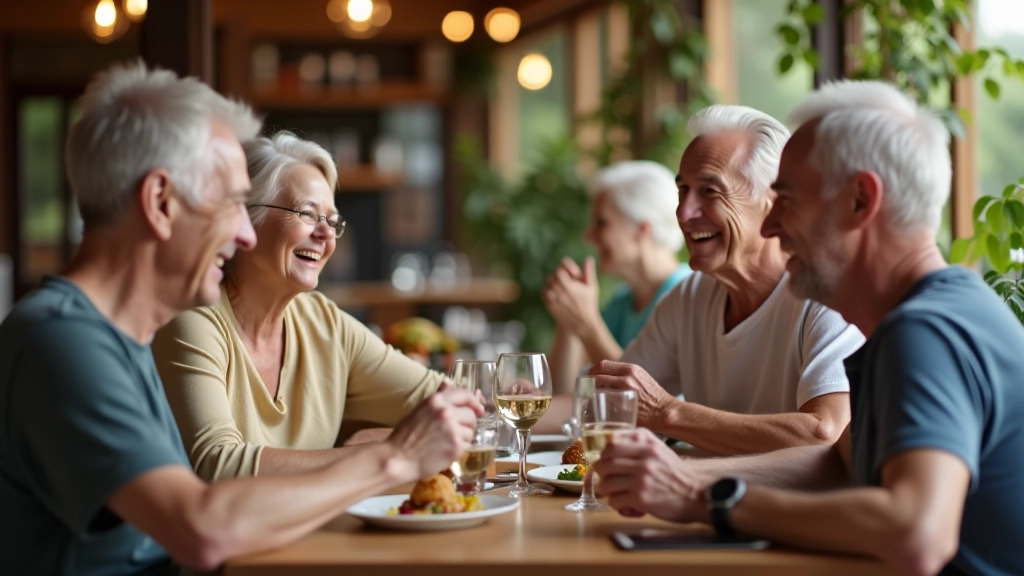
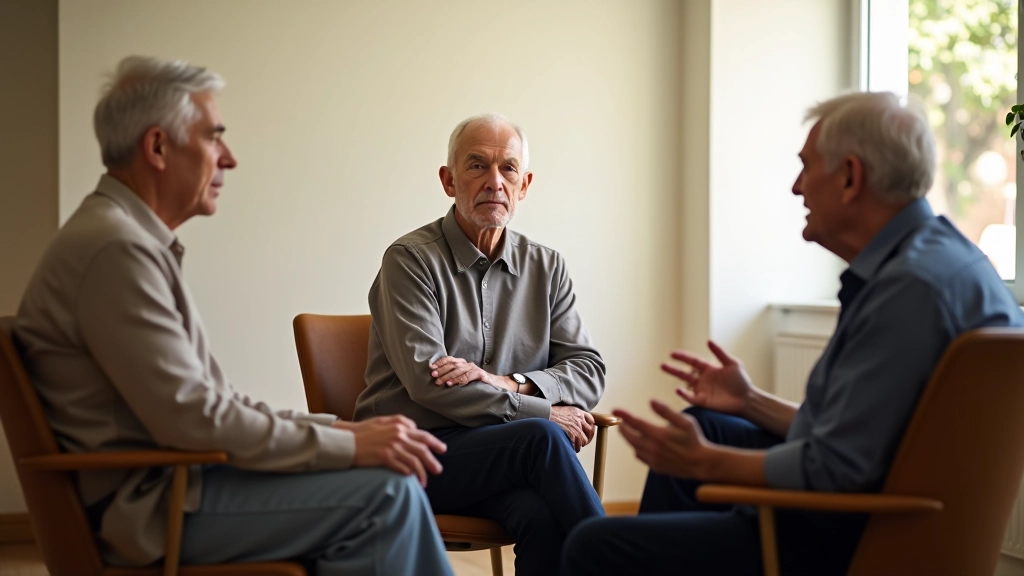
Making Friendships Stick: What Actually Deepens Connection
Surface friendships are easy. You chat at the activity class, exchange phone numbers, and see each other weekly. But real friendship — the kind where you call when something's bothering you, where you show up during difficult times — that takes something more.
Three things deepen friendships faster than most people realize. First, consistency. You need to see people regularly. Once every few months isn't enough. Second, small acts of thoughtfulness. You remember they mentioned their grandson's soccer game and ask how it went. Third, and this is crucial: you share something real about yourself. Not just the highlight reel. People connect when they see you're human too.
Don't overthink it. A simple text saying you enjoyed last week's walk. Bringing coffee to a group gathering. Asking genuine questions and actually listening to the answers. These small moves compound over months and years into genuine friendships.
Informational Purpose
This article provides educational information about building social connections in retirement based on observed patterns and practical experience. Individual circumstances vary widely. Consider your own comfort level, mobility, and preferences when exploring new social opportunities. If you're experiencing significant loneliness or isolation, speaking with a counselor or healthcare provider can be valuable.
The Takeaway
Building friendships in retirement isn't mysterious. It's not about being the most outgoing person in the room or having a specific personality type. It's about showing up consistently to things you actually care about, being willing to take the first step, and letting people see the real you. The friendships you build now often become the most meaningful ones you'll have. You're not friends because you have to be. You're friends because you choose to be.
Want to explore more about staying active and engaged in retirement?
Read about walking and staying active
Author
Carla Ferreira
Senior Wellness Coach & Retirement Lifestyle Specialist
Certified senior wellness coach with 14 years of experience helping Portuguese retirees build active, engaged, and connected lives in their later years.
Related Articles

Managing Joint Pain and Staying Flexible
Practical approaches to maintaining mobility and managing discomfort as you age.
Read article
Finding Purpose and Direction After Work
Moving beyond retirement identity loss and building meaningful pursuits.
Read article